
 View cart

Why Certified Orthotics Services Matter for Health Recovery
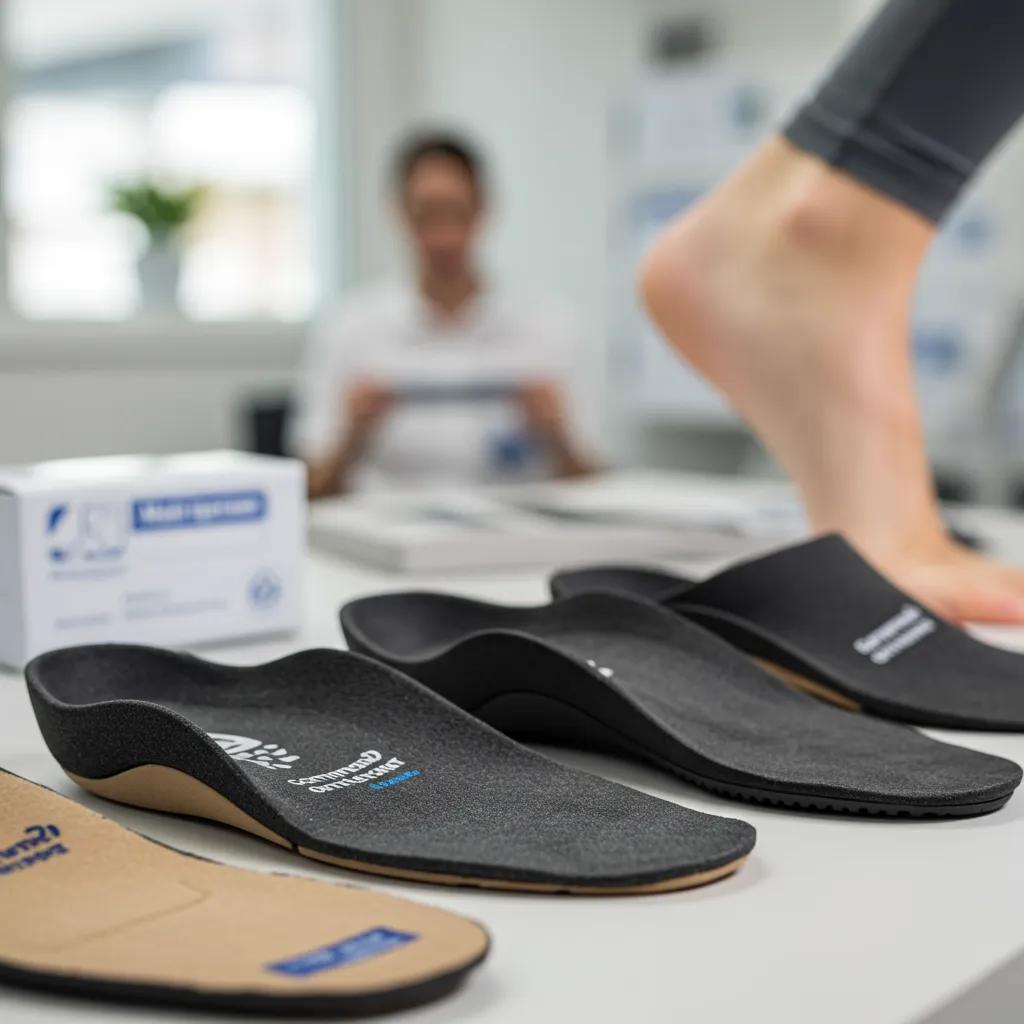
Certified Orthotics for Recovery in Michigan: Why They Matter for Your Health and Mobility
Recovering from foot, ankle, or knee injuries often stalls when generic insoles fail to address each patient’s unique biomechanics. Certified orthotics are custom-designed medical devices that support rehabilitation by stabilizing joints, redistributing pressure, and guiding proper alignment—accelerating healing and restoring mobility. In this guide, we will define certified orthotics and their role in recovery, explain the credentials and expertise of an ABC-certified orthotist, explore the key benefits for pain relief and function, highlight the most common conditions treated in Michigan, detail how Befitting You Med Supply delivers professional orthotic services, compare custom versus off-the-shelf inserts, and clarify insurance coverage and cost considerations.
What Are Certified Orthotics and How Do They Support Recovery?
Certified orthotics are prescription medical devices manufactured from precise foot scans and professional assessments to address specific structural or functional deficits. By molding durable materials around an individual’s anatomy, these devices improve load distribution across the foot and ankle, reducing strain on injured tissues and promoting normal gait patterns. For example, a runner recovering from a stress fracture can rely on custom arch support to limit excessive pronation and protect healing bone.
What Defines Certified Orthotics as Medical Devices?
Certified orthotics qualify as regulated medical devices because they are custom-fabricated based on anatomical data and prescribed by a licensed professional. They meet durability and safety standards set for durable medical equipment (DME) and are classified under healthcare regulations that ensure materials, design, and function serve therapeutic goals. This medical-grade classification distinguishes them from generic foot cushions and demands professional oversight at every stage.
How Do Certified Orthotics Differ from Over-the-Counter Inserts?
Over-the-counter shoe inserts offer generic arch shapes and cushioning but lack individualized design and medical certification. Certified orthotics differ in three primary ways:
- Assessment-Based Design: Each device is created from detailed clinical evaluation and gait analysis rather than mass-produced templates.
- Material Quality: Medical-grade polymers and composites provide long-term support and precise flexibility, unlike standard foam or gel.
- Professional Fitting: A certified orthotist adjusts contours and alignment to ensure biomechanical correction and comfort.
These distinctions ensure custom orthotics deliver targeted therapeutic effects unavailable from off-the-shelf options.
Which Types of Orthotics Are Commonly Used for Recovery?
Certified orthotic devices vary by anatomical focus and recovery goal. Common types include:
- Foot Orthoses designed to support arches and redistribute plantar pressure.
- Ankle-Foot Orthoses (AFOs) that stabilize the ankle joint and control motion.
- Knee Orthotics crafted to align the lower limb and reduce patellar stress.
- Custom Shoe Modifications that incorporate lifts or rocker soles for off-loading.
Each device addresses a specific injury mechanism and guides the patient toward proper movement patterns.
Who Is a Certified Orthotist and Why Is Their Expertise Crucial for Recovery?
A certified orthotist is a healthcare professional trained and accredited by the American Board for Certification (ABC) to design, fit, and adjust orthotic devices. Their expertise combines anatomy, biomechanics, and materials science to create orthotics that precisely match a patient’s anatomy and rehabilitation objectives, ensuring effective pain relief and functional improvement.
What Is ABC Certification and What Does It Involve?
ABC certification requires completion of an accredited orthotics and prosthetics education program, a minimum of 1,650 clinical hours, and successful passage of a rigorous examination covering anatomy, fabrication techniques, and patient care. This process verifies an orthotist’s competency in assessment, device design, and safety protocols, guaranteeing patients receive care that meets national professional standards.
The American Board for Certification (ABC) sets rigorous standards for orthotic professionals, ensuring they possess the necessary skills and knowledge for effective patient care.
ABC-Certified Orthotist Expertise in Patient Care
An ABC‑certified orthotist and/or prosthetist is an allied health professional who is skilled in the management of orthotic and/or prosthetic patient care. They are trained to provide comprehensive orthotic and/or prosthetic patient care, including the assessment, design, fabrication, fitting, and management of orthotic and/or prosthetic devices.
An Overview of Orthotic and Prosthetic Education and Training for the Physical Therapist
How Does a Certified Orthotist Assess and Fit Custom Orthotics?

The fitting process begins with a comprehensive evaluation that includes medical history review, gait analysis, and pressure mapping. The orthotist creates a digital or plaster cast of the foot, specifying alignment angles and material properties. After fabrication, the device is fine-tuned through follow-up appointments to adjust contours and ensure optimal support, comfort, and rehabilitation progress.
Why Does Certification Improve Orthotic Effectiveness?
Certification signals advanced training in biomechanics and medical device standards that directly translate to better patient outcomes. A certified orthotist applies evidence-based protocols to prevent complications such as skin irritation, overcorrection, or misalignment. Their specialized knowledge reduces trial-and-error fittings, shortens recovery timelines, and enhances device durability.
What Are the Key Benefits of Certified Orthotics for Pain Relief and Mobility?

Certified orthotics offer comprehensive therapeutic advantages by addressing root causes of discomfort and functional impairment. Through precise load redistribution, controlled joint motion, and customized support, these devices relieve pain, enhance gait efficiency, and protect vulnerable tissues, enabling active recovery across a range of lower-extremity conditions.
How Do Certified Orthotics Reduce Foot and Ankle Pain?
By redistributing pressure away from inflamed tissues and normalizing arch support, custom orthotics decrease stress on plantar fascia, heel spurs, and arthritic joints. This targeted off-loading reduces microtrauma and inflammation, leading to measurable pain relief within weeks of consistent wear.
In What Ways Do Orthotics Improve Mobility and Function?
Orthotic alignment corrections enhance stride symmetry and energy transfer during walking or running. Patients experience improved balance, reduced compensation patterns, and greater confidence in weight bearing, which accelerates return to daily activities and sports.
How Do Orthotics Prevent Injuries and Aid Rehabilitation?
Custom devices incorporate shock-absorbing materials and contour adjustments that protect against impact forces and overuse injuries. During rehabilitation, orthotics guide joint motion within safe ranges, supporting tissue healing and preventing re-injury.
Can Certified Orthotics Correct Structural and Biomechanical Issues?
Orthotics can realign excessive pronation or supination, elevate collapsed arches, and control rotational deviations of the foot. By addressing these biomechanical dysfunctions, they create a stable foundation that reduces long-term joint wear and supports proper musculoskeletal function.
Comparative Benefits Table
Before comparing options, consider three core therapeutic outcomes that certified orthotics deliver:
These outcomes build the basis for faster, safer recovery and long-term foot health.
Which Medical Conditions Benefit Most from Certified Orthotics in Michigan?
Patients throughout Michigan commonly rely on certified orthotics to manage and recover from a variety of musculoskeletal and chronic conditions. By customizing support and pressure redistribution, orthotics directly address the underlying pathology of each disease or injury.
How Do Orthotics Support Recovery from Plantar Fasciitis?
Orthotics for plantar fasciitis feature targeted arch support and a slight heel lift to reduce tension on the plantar fascia. This configuration relieves micro-tears and inflammation, promoting tissue repair and pain reduction during both rest and activity.
Research has demonstrated the efficacy of foot orthoses in managing plantar fasciitis, offering both short-term relief and long-term benefits.
Effectiveness of Foot Orthoses for Plantar Fasciitis Treatment
This study evaluated the short- and long-term effectiveness of foot orthoses in the treatment of plantar fasciitis. Pooled estimates (95% confidence interval) for the effectiveness of prefabricated and customized foot orthoses in the treatment of plantar fasciitis were calculated.
Effectiveness of foot orthoses to treat plantar fasciitis: a randomized trial, KB Landorf, 2006
What Role Do Orthotics Play in Diabetic Foot Care and Ulcer Prevention?
Specialized diabetic orthotics incorporate pressure-relieving materials and accommodative footbeds to mitigate high-risk ulcer sites. By evenly distributing load across the sole and minimizing shear forces, these devices protect neuropathic feet from breakdown and infection.
How Are Orthotics Used to Manage Ankle Instability?
Ankle-foot orthoses stabilize the talocrural joint and limit excessive inversion or eversion. This lateral support improves proprioception, strengthens peroneal muscle activation, and reduces the likelihood of recurrent sprains.
How Do Certified Orthotics Aid Sports Injury Recovery?
Athletic orthotics include dynamic cushioning, custom heel counters, and forefoot flex grooves that absorb impact, optimize energy return, and guide proper foot strike. Athletes recover more quickly from sprains, stress fractures, and tendon injuries while maintaining performance.
What Is the Role of Orthotics in Post-Surgical Rehabilitation?
Following lower-extremity surgery, orthotics off-load surgical sites, control edema, and stabilize alignment during gait retraining. This support framework enhances healing and enables safe progression through rehabilitation protocols.
How Does Befitting You Med Supply Provide Certified Orthotics Services in Michigan?
Befitting You Med Supply partners with ABC-certified orthotists to deliver a seamless orthotic journey—from clinical evaluation through ongoing follow-up. As a local Michigan durable medical equipment provider, the company ensures each device meets regulatory standards and aligns with patients’ recovery goals through personalized care and professional oversight.
What Is the Orthotic Fitting Process at Befitting You Med Supply?
Patients begin with a thorough assessment that includes biomechanical screening and lower-extremity imaging. Custom casts or digital scans inform precise device fabrication, followed by an in-office fitting where the orthotist refines contours and checks alignment. Scheduled follow-up visits guarantee continued comfort and therapeutic effectiveness.
How Does Local Expertise Enhance Patient Care and Recovery?
Michigan-based clinicians understand regional activity patterns, seasonal demands, and common workplace strains faced by local residents. This insight allows Befitting You Med Supply to recommend device features—such as weather-resistant materials or adjustable straps—that optimize support under Michigan’s varied conditions.
What Patient Success Stories Demonstrate the Benefits of Certified Orthotics?
A Detroit teacher suffering from chronic plantar fasciitis regained full classroom mobility within four weeks of fitting, reporting 80 percent pain reduction. A Grand Rapids runner overcame recurring shin splints by integrating dynamic sports orthotics that improved shock absorption and gait mechanics. These outcomes illustrate the transformative impact of expertly crafted devices.
How Do Custom Orthotics Compare to Off-the-Shelf Options for Recovery?
Custom orthotics are engineered from individualized assessments to correct specific biomechanical issues, while over-the-counter inserts provide generic cushioning and mild arch support. The precision of custom devices drives superior recovery trajectories for complex conditions, delivering targeted intervention that mass-market products cannot match.
What Are the Advantages of Custom Orthotics for Complex Conditions?
Custom orthotics integrate advanced materials, multi-density cores, and three-dimensional alignment corrections that address severe pronation, rigid cavus feet, or neurological gait impairments. This level of customization enhances durability, comfort, and therapeutic efficacy for patients with intricate rehabilitative needs.
When Are Over-the-Counter Orthotics Insufficient?
Generic inserts fall short when patients present structural deformities, significant leg length discrepancies, or chronic neuropathy. Their uniform shape and limited support zones cannot accommodate atypical foot contours or deliver precise corrective forces required for serious pathologies.
How Does Custom Design Improve Long-Term Recovery Outcomes?
By aligning skeletal structures and balancing muscular forces, custom orthotics support proper healing trajectories and reduce compensation-related injuries. Consistent use fosters sustained biomechanical improvement, lowering the likelihood of symptom recurrence and enabling patients to maintain active lifestyles.
Comparison Table
Patients deciding between custom and generic solutions should weigh critical design differences:
These distinctions clarify why certified orthotics outperform generic alternatives for durable recovery support.
What Should Michigan Patients Know About Insurance Coverage and Costs for Certified Orthotics?
Certified orthotics are classified as durable medical equipment (DME), making them eligible for coverage under many Medicare plans and private insurers, provided a physician prescription and orthotist’s documentation are supplied. Understanding coverage criteria and payment options helps patients navigate financial commitments and access the devices they need for successful rehabilitation.
Does Insurance Typically Cover Certified Orthotics as Durable Medical Equipment?
Yes, most insurance carriers recognize custom orthotics as DME when prescribed by a licensed healthcare provider. Coverage often includes a portion or full cost subject to deductibles and co-payments. Medicare Part B may reimburse up to 80 percent of approved orthotic fees after the annual deductible is met.
How Can Patients Navigate Insurance Claims for Orthotic Services?
Patients should obtain a physician prescription, comprehensive evaluation report from the orthotist, and itemized cost estimate. Submitting these documents to the insurer’s DME department streamlines claim approval. Befitting You Med Supply’s administrative team assists with pre-authorization, claim submission, and appeals if necessary.
What Are the Typical Costs and Payment Options for Custom Orthotics?
Custom shoe orthoses generally range from $300 to $700 per pair, depending on complexity and materials. Flexible payment plans, membership discounts, and healthcare financing options can spread costs over several months. Many clinics also offer tiered device levels to balance budget considerations with therapeutic requirements.
Recovering strength and mobility after lower-extremity injuries depends on precise support and expert guidance. Certified orthotics designed and fitted by ABC-accredited orthotists deliver targeted pressure redistribution, alignment correction, and durable materials that generic inserts cannot match. Befitting You Med Supply’s Michigan-based team combines local expertise with personalized patient care to optimize rehabilitation outcomes and reduce the risk of re-injury. Ready to experience the difference certified orthotics can make for your recovery? Complete our form today for a personalized consultation and take the first step toward healthier, more active feet.
Frequently Asked Questions
What conditions can certified orthotics help with besides plantar fasciitis?
Certified orthotics can assist in managing a variety of conditions, including diabetic foot complications, ankle instability, and sports-related injuries. They are designed to provide targeted support and pressure relief for issues such as Achilles tendonitis, shin splints, and arthritis. By addressing specific biomechanical deficiencies, orthotics can enhance recovery and improve overall foot health, making them a versatile solution for many patients.
How long does it typically take to see results from using certified orthotics?
Patients often begin to notice improvements within a few weeks of consistent use of certified orthotics. The timeline for results can vary based on the individual’s condition, the severity of their issues, and adherence to wearing the orthotics as prescribed. Regular follow-ups with a certified orthotist can help optimize the fit and function of the devices, further enhancing recovery outcomes.
Are there any risks associated with wearing custom orthotics?
While custom orthotics are generally safe, some patients may experience discomfort during the initial adjustment period. It’s essential to follow the fitting and wearing instructions provided by the certified orthotist. In rare cases, improper fitting can lead to skin irritation or exacerbate existing conditions. Regular follow-ups can help mitigate these risks and ensure the orthotics are providing the intended support.
Can children benefit from certified orthotics?
Yes, children can benefit significantly from certified orthotics, especially if they have conditions like flat feet, toe walking, or other developmental issues. Custom orthotics can support proper foot development, improve alignment, and prevent future complications. It’s crucial for a qualified orthotist to assess the child’s specific needs to create an effective orthotic solution.
How often should I replace my certified orthotics?
The lifespan of certified orthotics typically ranges from one to three years, depending on usage, wear, and the materials used. Regular assessments by a certified orthotist can help determine when it’s time for a replacement. Signs that you may need new orthotics include discomfort, visible wear, or changes in your foot structure or condition.
What should I expect during my first appointment for custom orthotics?
During your first appointment, you can expect a comprehensive evaluation that includes a review of your medical history, a physical examination, and possibly gait analysis. The certified orthotist will take measurements or create a mold of your feet to ensure a precise fit. This initial assessment is crucial for developing a customized orthotic solution tailored to your specific needs.
Are there any lifestyle changes I should consider while using orthotics?
While using orthotics, it’s beneficial to incorporate lifestyle changes that promote foot health, such as maintaining a healthy weight, engaging in low-impact exercises, and wearing supportive footwear. Additionally, practicing good foot hygiene and regularly checking for any signs of irritation or discomfort can enhance the effectiveness of your orthotics and support your overall recovery.
Conclusion
Recovering strength and mobility after lower-extremity injuries depends on precise support and expert guidance. Certified orthotics designed and fitted by ABC-accredited orthotists deliver targeted pressure redistribution, alignment correction, and durable materials that generic inserts cannot match. Befitting You Med Supply’s Michigan-based team combines local expertise with personalized patient care to optimize rehabilitation outcomes and reduce the risk of re-injury. Ready to experience the difference certified orthotics can make for your recovery? Complete our form today for a personalized consultation and take the first step toward healthier, more active feet.