
 View cart

Certified Orthotics Services in Michigan: Which Is Best?

Certified vs. Traditional Orthotics: Best Foot Support in Michigan
Custom orthotics prescribed and fitted by an ABC-certified orthotist deliver personalized correction and durable support, while traditional over-the-counter (OTC) inserts offer basic cushioning at a lower cost. Patients weighing “certified orthotics services Michigan” often juggle comfort, longevity, and insurance coverage when choosing between these options. This guide explains what orthotics are, compares generic and professional solutions, outlines BefittingYouMedSupply’s local process, and demystifies cost, insurance, and DME considerations. You’ll learn how to identify the right path for lasting foot health and how Michigan residents can access expert care.
What Are Orthotics and How Do They Support Foot Health?
Orthotics are medical devices designed to correct foot and ankle alignment, improve biomechanics, and alleviate pain.
The Biomechanics of Foot Orthoses – in English
This research supports the article’s claims about how orthotics work and their benefits for foot health.
By redistributing pressure, supporting arches, and guiding gait patterns, they enhance stability and promote natural function. Effective orthotic support can prevent injury, reduce strain on joints, and foster long-term mobility, setting the stage for a decision between generic inserts and customized solutions.
What Is an Orthotic Device?
An orthotic device is a precision-engineered insert or brace prescribed to realign foot structure and relieve discomfort. Constructed from materials such as polypropylene, carbon fiber, or specialized foams, orthotics correct abnormal motion by providing targeted support. This corrective action translates into reduced stress on soft tissues and joints, directly improving overall foot health.
What Types of Orthotics Are Commonly Used?
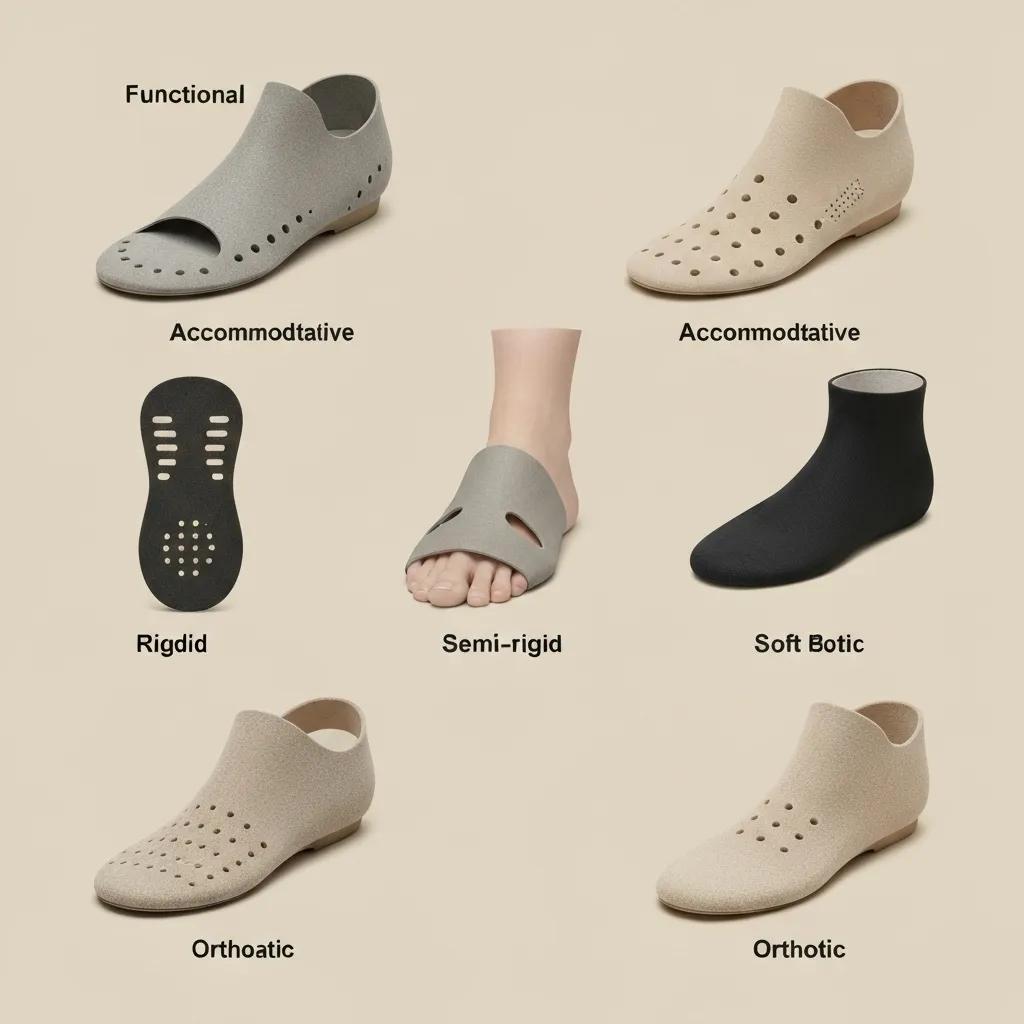
Orthotic devices fall into five main categories, each serving distinct biomechanical goals:
- Functional orthotics deliver rigid support to control motion and correct gait.
- Accommodative orthotics cushion sensitive areas with soft materials for pressure relief.
- Rigid orthotics use firm materials to provide maximum structural correction.
- Semi-rigid orthotics balance flexibility and support for dynamic activities.
- Soft orthotics utilize dense foam to absorb shock and protect tender regions.
Each type addresses specific conditions, preparing us to explore how they ease foot pain and target common disorders.
How Do Orthotics Help with Foot Pain and Conditions?
Orthotics provide corrective alignment and shock absorption, reducing strain on inflamed tissues in:
- Plantar fasciitis by supporting the arch and reducing heel tension.
- Flat feet (pes planus) through arch reinforcement and improved load distribution.
- Arthritis by offloading pressure from joints and preserving cartilage.
- Tendonitis through improved gait and decreased repetitive stress on tendons.
This mechanical relief paves the way for understanding when a simple OTC insert suffices and when professional customization is essential.
What Are Traditional (Over-the-Counter) Orthotics and When Are They Suitable?
Over-the-counter orthotics are premade insoles available in retail settings. They provide immediate cushioning and mild arch support without requiring a prescription. While they offer convenience and affordability, their generic design limits corrective effectiveness, guiding patients to consider professional evaluation for persistent or complex issues.
What Materials and Designs Are Used in Traditional Orthotics?
These generic designs deliver temporary comfort but lack the precision molding essential for long-term corrective action.
What Are the Limitations of Over-the-Counter Orthotics?
- Limited fit leads to pressure points and slippage.
- Short durability causes breakdown within months.
- No corrective function fails to address underlying alignment issues.
- One-size-fits-all sizing cannot accommodate unique foot shapes.
When Can OTC Orthotics Provide Effective Temporary Relief?
OTC insoles can alleviate mild discomfort in cases of:
- Occasional foot fatigue after prolonged standing.
- Short-term relief during light recreational activities.
- Supplemental cushioning for non-corrective footwear.
- Post-cast or post-injury interim support.
These applications highlight temporary benefits prior to exploring certified orthotics for lasting improvement.
What Makes Certified Orthotics the Gold Standard in Personalized Foot Care?

Certified orthotics represent the pinnacle of foot care by combining professional expertise, precision molding, and advanced materials. Designed and fitted by ABC-certified orthotists, these devices correct biomechanical irregularities, deliver targeted relief, and withstand years of daily use—qualities that generic inserts cannot match.
What Is a Certified Orthotist and Why Does Certification Matter?
A certified orthotist is a healthcare specialist accredited by the American Board for Certification (ABC). They complete rigorous education, residency training, and comprehensive exams to master gait analysis, device fabrication, and biomechanical assessment. This expertise ensures orthotics are tailored to individual anatomy, maximizing corrective potential and patient safety.
How Are Certified Orthotics Customized for Individual Needs?
Customization begins with a detailed assessment including 3D gait analysis and foot casting or scanning. Orthotists then select materials—such as carbon fiber for rigidity or polymer composites for flexibility—to address specific conditions. This process ensures:
- Exact replication of arch contours.
- Optimal pressure redistribution.
- Precise control of pronation and supination.
By aligning device properties with patient goals, certified orthotics deliver targeted correction and comfort.
What Are the Comprehensive Benefits of Certified Orthotics?
Certified orthotics play a pivotal role in promoting foot health and overall well-being. These custom-made insoles are designed to support and align the body’s structure, addressing various issues such as flat feet, plantar fasciitis, and even general discomfort caused by prolonged standing or specific athletic activities. One of the primary benefits of certified orthotics is their ability to provide personalized support tailored to the unique contours of an individual’s feet. This customization enhances comfort and can lead to improved posture, reducing strain on other parts of the body including the knees, hips, and lower back. As a result, individuals often experience a significant reduction in pain and fatigue, allowing them to engage more fully in daily activities and exercise routines. Certified devices provide a wide spectrum of advantages:
- Corrective Action – Realigns foot structure to reduce strain.
- Pain Relief – Reduces pressure in inflamed areas for immediate comfort.
- Improved Biomechanics – Enhances gait efficiency and reduces compensatory injuries.
- Long-Term Durability – Maintains function for years under daily use.
- Preventive Support – Mitigates progression of chronic conditions.
These outcomes underscore why professional involvement transforms foot care beyond basic cushioning.
How Do Certified Orthotics Compare to Traditional Orthotics?
When it comes to addressing foot and limb problems, the choice between certified orthotics and traditional orthotics can significantly impact a patient’s comfort and mobility. Certified orthotics, which are custom-made devices prescribed by a healthcare professional, offer a tailored solution that specifically considers an individual’s unique foot structure, walking patterns, and specific medical needs. This is in stark contrast to traditional orthotics, which are often premade or over-the-counter inserts designed to provide general support. While traditional orthotics may alleviate common foot issues, they typically lack the personalized fit and precise adjustments that certified orthotics can provide.
The primary distinction lies in the level of customization and professional oversight involved. Certified orthotics are crafted from detailed assessments, often utilizing advanced imaging technology to capture the precise contours of a patient’s feet. Such attention to detail ensures that the orthotic not only addresses specific pain points but also enhances overall biomechanics, potentially preventing further injuries. On the other hand, traditional orthotics might offer a quick, cost-effective solution for minor discomfort but often fall short for individuals with complex foot conditions or chronic pain issues. In essence, choosing certified orthotics means investing in a comprehensive approach to foot health that prioritizes individualized care and long-term relief, making it the superior option for many individuals seeking effective treatment. Patients need clear insight into the core differences to make informed choices. Beyond cost, customization, materials, and professional oversight define the value gap between certified and OTC options.
What Are the Key Differences in Customization and Fit?
When it comes to apparel and footwear, the terms “customization” and “fit” are often used interchangeably, but they refer to distinctly different concepts. Customization refers to the process of modifying a product to meet an individual’s specific preferences and requirements. This could include the selection of colors, materials, styles, and even personalized features such as monograms or unique design patterns. Customization allows consumers to express their personal style and ensures that the product aligns with their tastes. Brands that offer customization often engage their customers in a dialogue, presenting options and allowing for a degree of creativity that transforms a standard product into a one-of-a-kind piece. Certified orthotics are molded to the exact contours of each foot, ensuring precise support and corrective alignment. Traditional insoles rely on generic sizing that cannot accommodate individual arches or pressure points. This disparity directly affects comfort, stability, and long-term outcomes.
How Do Materials and Durability Differ Between Certified and OTC Orthotics?
When considering orthotics, one critical distinction lies between certified orthotics and over-the-counter (OTC) options, particularly regarding materials and durability. Certified orthotics, typically prescribed by healthcare professionals, are crafted from high-quality materials tailored to a patient’s specific foot structure, condition, and functional needs. These custom devices are often made from advanced materials such as thermoplastics, carbon fiber, or EVA foam, which are designed to provide optimal support, cushioning, and alignment. The use of these durable materials not only enhances the orthotic’s lifespan but also ensures consistent performance under various conditions, which is crucial for individuals with specific medical requirements.
Certified orthotics maintain structural integrity under repetitive loading, while OTC inserts degrade quickly, losing support and causing discomfort.
What Are the Differences in Cost and Insurance Coverage?
When it comes to understanding the differences in cost and insurance coverage, it is essential to recognize that these two factors can significantly affect an individual or business’s financial planning. Cost refers to the actual expenses incurred, which can include premiums, deductibles, and co-pays associated with various insurance policies. Insurance coverage, on the other hand, defines the extent of protection that a policy provides. This can manifest in terms of covered events, limits, exclusions, and the varying types of coverage available, such as comprehensive, liability, or collision in auto insurance, for instance. Certified orthotics carry higher upfront fees—often $400–$800—but may qualify as Durable Medical Equipment (DME) under many Michigan insurance plans, reducing out-of-pocket expense. In contrast, OTC inserts cost $20–$50 with no insurance reimbursement. Long-term value and corrective results generally favor certified investment for chronic or severe conditions.
How Does Professional Involvement Impact Orthotic Effectiveness?
The effectiveness of orthotic devices is significantly influenced by the degree of professional involvement throughout the fitting and follow-up processes. A well-trained practitioner, such as an orthotist or physical therapist, plays a crucial role in ensuring that orthotics are not only appropriately designed but also precisely tailored to meet each individual’s specific biomechanical needs. This custom approach often involves a thorough assessment of the patient’s condition, which includes gait analysis, measurement of foot structure, and consideration of any pre-existing medical issues. The expertise of the professional allows for adjustments and refinements in the orthotic device, enhancing its comfort and functionality, thereby maximizing its impact on the patient’s mobility and quality of life. Orthotist oversight ensures devices address root causes rather than masking symptoms. By analyzing gait patterns and adjusting alignment at follow-up visits, certified professionals fine-tune support and prevent adverse compensation. Self-selection of OTC inserts lacks this dynamic calibration, limiting overall effectiveness.
Who Should Choose Certified Orthotics in Michigan?
Certified orthotics are a valuable option for individuals in Michigan experiencing a range of foot, ankle, or lower limb issues. These custom-designed devices are crafted to enhance mobility, alleviate pain, and correct structural abnormalities. Anyone suffering from chronic conditions such as plantar fasciitis, flat feet, or diabetic foot problems may greatly benefit from certified orthotics. Furthermore, athletes who engage in high-impact sports often face the risk of injuries that can be alleviated with the proper support; therefore, they should seriously consider consulting with a professional to explore their orthotic options.
In addition to those with existing conditions, individuals recovering from surgery or suffering from discomfort while walking or standing for extended periods might find certified orthotics instrumental in their healing process. The process typically involves a thorough assessment, including foot scans and gait analysis, ensuring that the orthotics are uniquely tailored to the patient’s needs. Moreover, people engaged in occupations requiring long hours on their feet, such as healthcare workers, teachers, or retail employees, can also gain significant relief through these custom supports, improving their overall well-being. In essence, anyone in Michigan facing pain, discomfort, or mobility issues should consider certified orthotics as an effective solution to enhance their quality of life. Not every foot discomfort requires professional orthotics, but certain conditions and symptoms signal the need for expert evaluation and custom devices.
What Foot and Ankle Conditions Benefit Most from Certified Orthotics?
Many individuals experience foot and ankle conditions that can significantly impact their daily activities and quality of life. Certified orthotics serve as a valuable solution for a variety of these ailments, providing customized support and alleviating discomfort. Common conditions that benefit from orthotic intervention include plantar fasciitis, Achilles tendonitis, flat feet, and overpronation. By redistributing pressure across the foot and providing essential arch support, orthotics can reduce strain on affected areas, thereby mitigating pain and enhancing mobility. Patients with the following issues gain measurable improvements from certified orthotics:
- Plantar fasciitis with chronic heel pain.
- Flat feet causing overpronation and arch collapse.
- Diabetes-related neuropathy requiring pressure redistribution.
- Arthritis generating joint inflammation and stiffness.
- Sports injuries needing performance-oriented support.
What Signs Indicate You Need a Certified Orthotist Consultation?
When considering whether you need a consultation with a certified orthotist, it is essential to be aware of certain signs that may indicate the necessity for professional evaluation. One of the primary signs is persistent pain or discomfort in your limbs or joints, particularly if this pain affects your daily activities or worsens over time. This discomfort may stem from a variety of conditions, including injuries, deformities, or postural issues that a certified orthotist can help address. Moreover, if an individual has recently undergone surgery or has a chronic condition such as diabetes, seeking the expertise of an orthotist may be advisable to ensure proper support and rehabilitation. Seek professional evaluation when you experience:
- Persistent pain lasting weeks despite rest.
- Visible gait abnormalities or uneven shoe wear.
- Recurring injuries in knees, hips, or lower back.
- Foot numbness or burning sensations under the arch.
- Loss of mobility affecting daily activities.
How Does Local Expertise Enhance Orthotic Care in Michigan?
Local expertise plays a pivotal role in enhancing orthotic care in Michigan, where the intricacies of patient needs are often best understood by those who are intimately familiar with the community’s unique characteristics. Health professionals in Michigan possess not only the technical knowledge required to fabricate and fit orthotic devices but also a deep understanding of regional lifestyle factors, biomechanical variances, and environmental conditions that can affect orthotic treatment outcomes. By leveraging insights from local demographics, physiotherapists and orthotists can design personalized orthotic solutions that align with the everyday activities, occupational demands, and recreational interests of their patients. Michigan-based providers understand state-specific insurance requirements, DME guidelines, and regulatory standards. BefittingYouMedSupply’s network of ABC-certified orthotists collaborates with local physicians, ensuring seamless prescriptions, coverage verification, and personalized follow-up—elements that elevate care quality for area residents.
What Is the Certified Orthotics Process at BefittingYouMedSupply in Michigan?
The certified orthotics process at BefittingYouMedSupply in Michigan is designed to provide individuals with tailored support for various orthopedic needs. It begins with a thorough consultation, where the professional team evaluates the patient’s specific requirements and medical history. This initial assessment ensures that orthotic solutions are personalized, addressing conditions ranging from diabetic foot ulcers to sports injuries. The healthcare providers at BefittingYouMedSupply leverage their expertise to understand each individual’s lifestyle and daily activities, which is crucial for recommending the most suitable orthotic devices.
Following the consultation, the next step involves precise measurements and fittings. The team utilizes advanced technology to capture detailed foot scans and gait analysis, ensuring that the orthotics are crafted for optimal comfort and functionality. Once the custom devices are manufactured, patients receive comprehensive education on how to use and care for their orthotics. Furthermore, BefittingYouMedSupply emphasizes ongoing support, encouraging regular follow-ups to monitor progress and make adjustments as needed. This holistic approach not only enhances mobility and reduces pain but also empowers individuals to regain their independence and improve their overall quality of life. BefittingYouMedSupply guides Michigan patients through a structured, transparent journey from evaluation to long-term support, reducing confusion and accelerating relief.
What Happens During the Initial Consultation and Assessment?
During the initial consultation and assessment, clients typically experience a structured yet welcoming process that sets the foundation for their journey, whether it be in healthcare, therapy, or coaching. The primary goal of this initial session is to gather comprehensive information about the client’s needs, challenges, and goals. Practitioners often begin by establishing rapport, creating a comfortable environment that encourages openness and honesty. This includes discussing confidentiality and assuring the client that their concerns will be treated with utmost respect and confidentiality. Your first visit includes medical history review, physical examination, and 3D gait analysis using pressure-mapping technology. This comprehensive assessment identifies biomechanical imbalances and informs precise orthotic design, bridging diagnosis and therapeutic intervention.
How Are Custom Orthotics Fabricated and Fitted?
Custom orthotics are specialized shoe inserts designed to correct biomechanical foot issues and provide support for various conditions such as plantar fasciitis, flat feet, and other alignment problems. The fabrication process of these personalized devices begins with a comprehensive assessment by a qualified healthcare professional, such as a podiatrist or orthotist. During this assessment, the expert conducts a thorough examination of the patient’s feet, gait, and overall biomechanics. This may also include obtaining a detailed medical history and identifying specific symptoms to tailor the orthotics to the individual’s unique needs. After capturing foot geometry via scanning or plaster casting, skilled technicians use high-grade materials—such as carbon fiber and specialized polymers—to craft each device. A fitting session follows, during which adjustments ensure optimal alignment, comfort, and functional performance for daily activities.
What Follow-Up Care and Adjustments Are Provided?
Follow-up care and adjustments play a crucial role in the overall treatment plan for patients, especially in fields such as physical therapy, chiropractic care, and rehabilitation services. After an initial assessment and treatment, practitioners schedule follow-up visits to monitor the patient’s progress and evaluate the effectiveness of the prescribed interventions. This ongoing care is essential not only for gauging recovery but also for making necessary adjustments to the treatment plan. During these visits, patients may receive hands-on therapy, exercises tailored to their needs, and education on self-care practices to accelerate healing and prevent future injuries. Ongoing support includes scheduled follow-up visits for fine-tuning device fit, addressing new symptoms, and monitoring wear patterns. This dynamic calibration maintains corrective efficacy and extends orthotic lifespan, reinforcing the bond between patient progress and device performance.
How Can Michigan Residents Access Certified Orthotics Services Locally?
Residents of Michigan seeking certified orthotics services have several effective avenues to access this specialized care locally. One of the primary starting points is to consult with healthcare professionals, such as primary care physicians or orthopedic specialists. These practitioners can provide valuable recommendations and referrals to accredited orthotic clinics within the community. Many healthcare providers maintain networks with local specialists, ensuring that patients receive high-quality care tailored to their specific needs. Additionally, these professionals can help determine whether custom orthotics, over-the-counter solutions, or alternative treatments are appropriate, based on individual assessments. BefittingYouMedSupply serves multiple Michigan locations with convenient scheduling. Patients can request a consultation by completing the secure online form or calling our local office. Prompt appointments and flexible hours accommodate varying needs across the region.
How Do Cost, Insurance, and Durable Medical Equipment (DME) Affect Orthotics in Michigan?
When it comes to orthotics in Michigan, understanding the influence of cost, insurance, and durable medical equipment (DME) is crucial for both patients and healthcare providers. The expenses associated with orthotic devices often vary significantly based on various factors, including the type of orthotic needed and the specific requirements of the patient. Cost considerations play a vital role in determining the accessibility and affordability of these devices. In Michigan, the healthcare landscape can present challenges, as patients may face out-of-pocket expenses that are not fully covered by their insurance plans. This financial burden can impact a patient’s ability to acquire the necessary orthotic support, leading to delays in treatment and potential adverse effects on their overall health and mobility.
Insurance coverage is another critical aspect that affects orthotics in Michigan. Different insurance providers have varying policies regarding DME, including the categorization of orthotic devices and the criteria for reimbursement. Patients often find themselves navigating complex insurance requirements, which may include the necessity for prior authorizations or proof of medical need. This insurance variability can create disparities in access to quality orthotic care. Additionally, the role of DME suppliers cannot be overlooked. These suppliers provide essential services in fitting and managing orthotic devices, and their practices can influence cost and availability. As such, patients and healthcare practitioners must work closely together to ensure that orthotic solutions are both financially sustainable and tailored to meet individual needs, ultimately striving for improved mobility and quality of life. Understanding financial aspects and DME classification empowers patients to pursue certified orthotics with confidence and clarity.
What Is Durable Medical Equipment and How Do Orthotics Qualify?
Durable Medical Equipment (DME) refers to a category of medical devices designed for long-term use, primarily to aid individuals with a medical condition in managing their health more effectively. To qualify as DME, the equipment must fulfill specific criteria, including being prescribed by a healthcare provider, used for a medical purpose, and expected to withstand repeated use. Common examples of DME include wheelchairs, crutches, hospital beds, and oxygen equipment. The essential function of DME is to enhance the quality of life for patients, facilitating easier mobility and self-care, while also ensuring compliance with regulations related to safety and effectiveness. Durable Medical Equipment (DME) refers to reusable medical devices prescribed by a healthcare provider for therapeutic use. Custom orthotics meet DME criteria when they serve corrective or protective functions, enabling insurance billing under many plans once a prescription is submitted.
Durable Medical Equipment and Orthotics – in English
This citation supports the article’s discussion of insurance coverage and the classification of custom orthotics as DME.
How Does Insurance Coverage Work for Certified Orthotics in Michigan?
Understanding insurance coverage for certified orthotics in Michigan is essential for individuals seeking relief from various musculoskeletal conditions. Certified orthotics are custom-made devices designed to support and enhance the function of the limbs and spine, often recommended by healthcare providers to improve mobility and alleviate pain. In Michigan, insurance policies typically cover orthotic devices, but the extent of coverage can vary significantly based on factors such as the specific insurance provider, the patient’s plan, and whether the orthotic is deemed medically necessary. Most major insurers, including Medicare and private health plans, cover orthotics prescribed as DME. Coverage often requires:
- A physician’s prescription.
- Documentation of medical necessity.
- Pre-authorization from the insurer.
Navigating these steps with BefittingYouMedSupply’s billing specialists simplifies approval and reduces administrative burdens.
What Are Typical Costs and How Do They Compare to OTC Orthotics?
When considering foot health, individuals often face a choice between custom orthotics and over-the-counter (OTC) alternatives. The costs associated with custom orthotics typically range from $200 to $800, dependent upon factors such as material, complexity of design, and the specific prescription from a healthcare professional. This investment usually includes a thorough clinical evaluation and may be further justified by the long-term benefits of alleviating pain, enhancing mobility, and preventing further foot-related issues. In contrast, OTC orthotics usually retail from $20 to $100, making them a more accessible option for many. However, while they can provide comfort and support, they may not address the specific biomechanical issues that custom orthotics aim to correct.
*Insurance offset varies by plan. Certified devices deliver superior long-term value through sustained correction and durability, outweighing lower-cost temporary inserts.
How Can Patients Navigate Billing and Insurance Claims?
Navigating the complexities of medical billing and insurance claims can often feel overwhelming for patients. However, understanding the essential components involved can significantly alleviate much of this stress. Initially, patients should familiarize themselves with their insurance plan details, including coverage options, copayments, deductibles, and in-network versus out-of-network providers. Armed with this knowledge, patients can approach their healthcare needs with a clear understanding of potential costs and what services their insurance will cover. Patients benefit from a guided process:
- Submit prescription and diagnosis to insurance.
- Track claim status with billing specialists.
- Handle appeals for denied coverage.
- Understand deductibles and co-pays before fabrication.
This proactive assistance ensures transparency and minimizes financial surprises.
Frequently Asked Questions
What Should I Expect During My First Visit to a Certified Orthotist?
During your initial consultation, you can expect a thorough assessment that includes a review of your medical history, a physical examination, and advanced 3D gait analysis. This comprehensive evaluation helps identify any biomechanical imbalances and informs the design of your custom orthotics. The orthotist will discuss your specific foot health concerns and goals, ensuring that the orthotics are tailored to your unique needs for optimal comfort and effectiveness.
How Often Should I Replace My Custom Orthotics?
Custom orthotics typically last between three to five years, depending on usage and wear. However, it’s essential to monitor their condition regularly. Signs that you may need a replacement include visible wear, loss of support, or if you experience a return of foot pain. Regular follow-up appointments with your orthotist can help assess the effectiveness of your orthotics and determine the right time for a replacement.
Can Children Benefit from Custom Orthotics?
Yes, children can benefit significantly from custom orthotics, especially if they experience foot pain, flat feet, or other alignment issues. Early intervention can help correct biomechanical problems and support healthy foot development. A certified orthotist can evaluate a child’s specific needs and create orthotics that accommodate their growing feet, ensuring proper support and alignment as they develop.
Are There Any Risks Associated with Using Orthotics?
While orthotics are generally safe, improper fitting or use can lead to discomfort or exacerbate existing issues. It’s crucial to have orthotics prescribed and fitted by a certified professional to minimize risks. Regular follow-ups are also important to ensure that the orthotics continue to meet your needs and to make any necessary adjustments. If you experience pain or discomfort, consult your orthotist promptly.
How Do I Care for My Custom Orthotics?
To extend the lifespan of your custom orthotics, clean them regularly according to the manufacturer’s instructions. Typically, this involves wiping them down with a damp cloth and allowing them to air dry. Avoid exposing them to extreme heat or moisture, as this can damage the materials. Additionally, rotate between different pairs of shoes to prevent excessive wear and ensure that your orthotics maintain their shape and support.
What Should I Do If My Orthotics Are Causing Discomfort?
If your orthotics are causing discomfort, it’s important to consult your certified orthotist as soon as possible. Discomfort can arise from improper fit, changes in foot structure, or the need for adjustments. Your orthotist can assess the situation and make necessary modifications to improve comfort and effectiveness. Never attempt to adjust or modify the orthotics yourself, as this can lead to further issues.
What Is the Main Difference Between Certified and Traditional Orthotics?
When it comes to orthotics, understanding the distinction between certified and traditional options is crucial for both healthcare professionals and patients seeking effective solutions for foot and lower limb issues. Certified orthotics are custom-made devices that are designed specifically for an individual’s unique foot structure and biomechanics. These devices are typically created following a comprehensive assessment by a licensed professional, such as a podiatrist or orthotist. They often involve advanced technology, including 3D scanning and computerized gait analysis, ensuring optimal support, alignment, and comfort tailored to the user’s specific needs. By focusing on individualized treatment, certified orthotics can effectively address various conditions such as plantar fasciitis, diabetic foot complications, and post-surgical recovery. Certified orthotics are custom-molded, professionally assessed medical devices that correct biomechanical issues, while traditional orthotics are generic inserts offering basic cushioning without targeted alignment or long-term corrective function.
Are Custom Orthotics Covered by Insurance in Michigan?
When it comes to seeking relief from foot and lower limb discomfort, custom orthotics can play a significant role in improving overall mobility and quality of life. However, many patients wondering about the financial aspect of these specialized devices often ask the pressing question: are custom orthotics covered by insurance in Michigan? The answer to this inquiry largely depends on the specific insurance plan, as coverage can vary significantly among providers and policies. Generally, most health insurance companies in Michigan may cover custom orthotics if they are deemed medically necessary, often requiring a physician’s prescription to qualify for reimbursement. Yes, custom orthotics classified as Durable Medical Equipment (DME) are typically covered by Michigan insurers when supported by a physician’s prescription and documentation of medical necessity.
How Long Do Custom Orthotics Last Compared to OTC Inserts?
When it comes to foot health, many individuals wonder about the longevity of custom orthotics compared to over-the-counter (OTC) inserts. Custom orthotics, designed specifically to address an individual’s unique foot structure and gait, typically have a lifespan ranging from one to three years, depending on usage and materials. These orthotics are meticulously crafted to provide optimal support, alignment, and cushioning, which can lead to notable improvements in comfort and mobility. As they are made from higher-quality materials tailored to the wearer’s needs, they tend to hold their shape and effectiveness longer than their OTC counterparts. Custom orthotics maintain structural integrity and support for three to five years under regular use, whereas OTC inserts often lose cushioning and shape within three to six months.
How Do I Find a Certified Orthotist Near Me in Michigan?
When searching for a certified orthotist in Michigan, individuals can take several steps to ensure they find a qualified professional who meets their needs. First and foremost, a good starting point is to consult the American Board for Certification in Orthotics, Prosthetics & Pedorthics (ABC) website. This resource provides a comprehensive directory of certified orthotists across the country, allowing users to filter their search by state. By entering their location details and focusing on Michigan, individuals can quickly obtain a list of licensed practitioners in their area, ensuring they are considering professionals who have met industry standards and requirements. Look for providers accredited by the American Board for Certification in Orthotics, Prosthetics and Pedorthics (ABC). BefittingYouMedSupply’s team of ABC-certified orthotists serves multiple Michigan locations with expert evaluation and fabrication.
Do Orthotics Really Work for Common Foot Conditions?
Yes, evidence shows that properly fitted orthotics reduce pain and improve function in conditions such as plantar fasciitis, flat feet, arthritis, and diabetic neuropathy by restoring alignment and relieving pressure. Choosing the right orthotic solution can transform foot health and daily comfort. By understanding the capabilities and limitations of both certified and traditional options—and leveraging BefittingYouMedSupply’s Michigan-based expertise—you can make an informed decision that supports long-term mobility. Complete our form today to schedule your personalized consultation and step into a healthier future for your feet.