
 View cart

Discover Michigan’s Top Post-Surgical Compression Garments
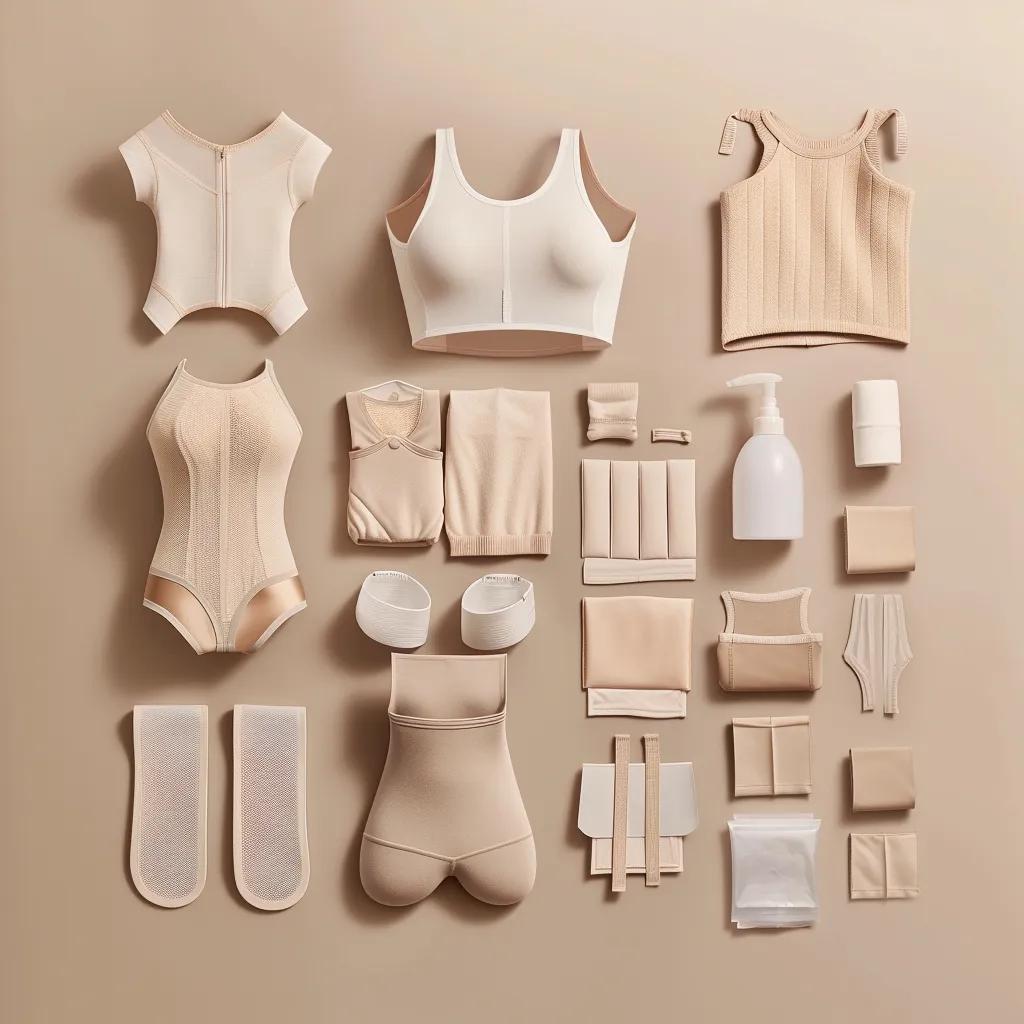
Medical-Grade vs Traditional Post-Surgical Compression Garments

Optimal healing after surgery demands precise support Post Surgical Compression Garments Michigan deliver controlled pressure that reduces swelling, accelerates circulation, and enhances comfort for faster, safer recovery. In this guide, patients will discover what medical-grade compression is and how it works, why it outperforms regular shapewear or athletic wear, the therapeutic benefits for swelling, bruising, pain, and scarring, the specific garment types for breast, abdominal, limb and staged recovery needs, essential fitting and care practices, the risks of skipping proper compression, and where Michigan residents can find quality options from trusted durable medical equipment suppliers.
What Is Medical-Grade Post-Surgical Compression and How Does It Work?
Medical-grade post-surgical compression provides precisely measured, often graduated pressure (mmHg) to surgical sites to support lymphatic drainage, stabilize tissues, and improve blood flow. By applying targeted force, these specialized garments limit fluid buildup and micro-movement around incisions, minimizing pain and reducing risks of complications. At BeFittingYouMedSupply.com, patients access devices designed as schema.org/MedicalDevice items with certified compression profiles for clinical reliability.
This foundational understanding sets the stage for comparing clinical compression with everyday apparel designed for shaping or sports support.
What Defines Medical-Grade Compression Garments?
Medical-grade compression garments are constructed from premium elastic fabrics tested for uniform pressure, durable seams, and antimicrobial finishes.
- Graduated pressure calibrated in mmHg for lymphatic support.
- Moisture-wicking, breathable materials to maintain skin health.
- Adjustable closures and reinforced panels for precise fit.
- Clinical testing standards to ensure consistent therapeutic effect.
These features ensure the garment remains functional during movement and follow-up care, leading naturally into the healing mechanisms at work.
How Does Medical Compression Support Healing and Recovery?
The Role of Compression in Post-Surgical Recovery
Medical-grade compression garments are designed to provide graduated pressure, which aids in lymphatic drainage, stabilizes tissues, and improves blood flow, thereby reducing swelling and minimizing complications after surgery. These garments are crucial for managing fluid buildup and promoting faster healing at the surgical site.
This research supports the article’s claims about the benefits of medical-grade compression wear in post-surgical recovery.
Improved circulation also accelerates removal of metabolic byproducts, reducing bruising and encouraging collagen remodeling for smoother scar outcomes, bridging into detailed pressure levels.
What Are the Typical Pressure Levels (mmHg) in Medical Compression?
Post-surgical compression garments commonly range from 15 to 40 mmHg, with lower settings (15–20 mmHg) used for initial post-op swelling control and higher settings (20–40 mmHg) for sustained support.
Graduated designs apply the highest pressure nearest the surgical site, tapering toward distal areas to optimize lymphatic flow, priming the discussion of procedure-specific requirements.
Which Medical Conditions and Surgeries Require Compression Wear?
Compression wear is essential after procedures such as breast augmentation, mastectomy, liposuction, tummy tucks, abdominoplasty and orthopedic surgeries. These interventions create soft-tissue trauma that benefits from fluid management and stabilization provided by targeted garment designs.
Understanding this surgical mapping leads into how medical-grade devices compare with conventional apparel.
How Does Medical-Grade Compression Wear Differ from Traditional Apparel?

Differences Between Medical Compression and Traditional Apparel
Medical compression garments are engineered to deliver consistent, graduated pressure measured in mmHg and conform to medical device standards, whereas shapewear provides cosmetic contouring without uniform pressure control, and athletic wear focuses on muscle vibration reduction. Traditional apparel often lacks the necessary features for effective post-surgical recovery.
This citation clarifies the distinctions between medical-grade compression and everyday apparel, reinforcing the article’s emphasis on the importance of using appropriate garments post-surgery.
What Are the Key Differences Between Medical Compression and Shapewear or Athletic Wear?
Medical compression garments are engineered to deliver consistent, graduated pressure measured in mmHg and conform to medical device standards, whereas shapewear provides cosmetic contouring without uniform pressure control, and athletic wear focuses on muscle vibration reduction.
These distinctions in purpose and performance underscore why only medical devices should be used for post-operative care.
Why Is Traditional Apparel Insufficient for Post-Surgical Recovery?
Everyday shapewear and sports compression often lack graduated pressure necessary for fluid management, feature seams and materials prone to irritation, and are not tested under clinical conditions.
Using them post-surgery can lead to uneven pressure zones, skin maceration, and increased risk of seroma or hematoma formation, emphasizing the need for medical-grade alternatives.
How Do Medical-Grade Garments Provide Safer and More Effective Support?
Medical-grade garments undergo stringent quality control to ensure precise pressure profiles and incorporate antimicrobial, breathable fabrics to guard against infection. They include removable panels for incision inspection and adjustable straps for customizing fit as swelling changes.
This clinical design prevents tissue trauma and maintains safety, creating a clear contrast with standard apparel.
What Are the Cost and Comfort Differences Between Medical and Traditional Apparel?
Comparison of typical attributes shows:
Clinical compression delivers superior therapeutic benefits and comfort features in exchange for a higher investment, leading into the concrete benefits patients can expect.
What Are the Benefits of Wearing Post-Surgical Compression Garments?

Wearing post-surgical compression garments yields multiple therapeutic benefits by combining mechanical support with physiological enhancement. Patients experience measurable reductions in swelling, bruising, and discomfort due to controlled pressure and improved lymphatic circulation. These positive outcomes support faster recovery timelines and better aesthetic results.
Benefits of Post-Surgical Compression Garments
Wearing post-surgical compression garments yields multiple therapeutic benefits by combining mechanical support with physiological enhancement. Patients experience measurable reductions in swelling, bruising, and discomfort due to controlled pressure and improved lymphatic circulation. These positive outcomes support faster recovery timelines and better aesthetic results.
This research supports the article’s claims about the benefits of medical-grade compression wear in post-surgical recovery.
How Do Compression Garments Reduce Swelling, Bruising, and Pain?
Compression garments apply uniform pressure that limits interstitial fluid accumulation, accelerates venous return, and stabilizes tissues, thereby reducing swelling, alleviating pain, and minimizing superficial bruising.
This immediate relief fosters patient comfort and encourages early mobility.
Can Compression Wear Prevent Complications Like Blood Clots and Seroma?
By maintaining constant pressure, medical compression lowers the risk of deep vein thrombosis and seroma formation through improved blood flow and lymphatic clearance of fluid pockets.
Preventing these complications contributes directly to safer postoperative outcomes and peace of mind.
How Does Compression Improve Scar Management and Healing Outcomes?
Graduated compression guides collagen organization by applying targeted force to incision sites, which helps flatten scars and promotes even tissue remodeling.
Consistent pressure also reduces scar hypertrophy and supports long-term cosmetic quality.
What Comfort Features Enhance Patient Compliance and Recovery?
Modern medical-grade garments incorporate moisture-wicking fabrics, flat seams, antimicrobial finishes, and ergonomic closures to maximize wear time and ease of use. Adjustable straps and modular panels accommodate fluctuating swelling, boosting patient adherence to recommended regimens and enhancing overall recovery.
Which Types of Post-Surgical Compression Garments Are Available for Different Procedures?
Post-surgical compression solutions vary by body area and surgical procedure. From specialized bras for breast interventions to binders for abdominal contouring and sleeves or stockings for limb surgeries, garment selection must match clinical needs. Recovery stages further differentiate Stage 1 (immediate post-op) and Stage 2 (longer-term support) designs.
This mapping ensures each patient finds the right support at every step of healing.
What Compression Garments Are Recommended for Breast Surgery and Mastectomy?
Surgical bras, vests, and camisoles with front-closure designs provide gentle compression around the chest while facilitating incision monitoring. Materials are soft against fragile skin and incorporate adjustable closures to adapt to initial swelling and later tapering.
Which Abdominal Binders and Girdles Support Tummy Tuck and Liposuction Recovery?
Abdominal binders feature broad lumbar panels and targeted compression zones for the midsection, controlling fluid distribution after abdominoplasty and liposuction. Girdles offer lower-body stabilization and support posture, aiding core healing and comfort.
What Compression Sleeves and Stockings Are Used for Limb and Orthopedic Surgeries?
Compression sleeves for arms or legs apply graduated pressure to prevent edema after orthopedic procedures. Graduated stockings manage venous return in lower limbs, reducing pain and clot risk. Many designs allow for drainage tube access and easy inspection.
How Do Stage 1 and Stage 2 Compression Garments Differ in Recovery Use?
Stage 1 garments focus on high initial compression to control acute swelling and are typically worn 24/7 for the first 2–4 weeks. Stage 2 garments offer moderate sustained pressure for shaping and scar maturation, worn during daytime hours for an additional 4–8 weeks.
How Do Patients Choose and Care for the Right Post-Surgical Compression Garment?
Selecting and maintaining the correct compression garment ensures optimal clinical benefits and durability. Key considerations include accurate sizing, material preferences, recommended wear duration, and proper cleaning techniques. Managing drains while wearing compression is also critical to preserve aseptic conditions and comfort.
These guidelines empower patients to integrate garment use seamlessly into recovery.
What Are the Key Considerations for Sizing, Fit, and Material Selection?
Proper sizing relies on precise measurements of chest, waist, hips, or limb circumference taken before surgery. Materials should balance elasticity with breathability—look for antimicrobial blends that withstand daily wear while maintaining pressure profiles.
How Long Should Compression Garments Be Worn After Surgery?
Surgeons typically advise continuous wear for 2–4 weeks in Stage 1, transitioning to Stage 2 garments for an additional 4–8 weeks. Duration may vary based on procedure type and individual healing pace. Always follow specific medical guidance for best outcomes.
What Are Best Practices for Washing and Maintaining Compression Wear?
Hand-wash garments in gentle detergent, rinse thoroughly, and air-dry flat away from direct heat. Avoid fabric softeners and bleaching agents that degrade elasticity. Regular care preserves compression efficacy and extends product life.
How Can Patients Manage Surgical Drains While Wearing Compression Garments?
Choose garments with pre-built drain ports or use custom drain straps to secure tubes over the garment. Empty collection bulbs before re-donning compression, clean port areas daily, and adjust fit to prevent tubing kinks while ensuring consistent pressure around the surgical site.
What Are the Risks of Not Wearing Medical-Grade Compression After Surgery?
Forgoing proper medical-grade compression can lead to a cascade of complications that hinder healing. Patients are at higher risk for persistent swelling, prolonged pain, seroma or hematoma development, suboptimal scar formation, and delayed return to daily activities. Recognized experts emphasize adherence to prescribed compression regimens for best results.
Recognizing these risks underscores why investment in clinical garments is essential.
What Complications Can Arise from Using Only Traditional Apparel Post-Surgery?
Relying on shapewear or athletic wear lacking graduated compression allows fluid accumulation, uneven pressure, and chafing around incisions. This may cause seromas, hematomas, skin breakdown, or surgical site dehiscence, jeopardizing both health and aesthetics.
How Does Lack of Proper Compression Affect Healing and Recovery Time?
Without consistent pressure, swelling persists longer, increasing pain and delaying tissue repair. Extended inflammation can stretch scar tissue, resulting in visible or bulky scars and necessitating additional corrective procedures.
What Do Medical Experts Say About Compliance and Compression Benefits?
Surgeons and physical therapists report that up to 90% of post-op complications related to fluid retention and clotting can be prevented with proper compression. Consistent garment wear is cited as a key factor in patient satisfaction and accelerated recovery timelines.
What Are Common Patient Questions About Compression Wear and Recovery?
Patients frequently ask about timing for garment removal, how to balance hygiene with wear requirements, ways to adjust pressure levels for comfort, and strategies for discreet garment wear under clothing. Clear guidance on these topics helps maintain compliance and confidence.
Where Can Patients in Michigan Find Quality Post-Surgical Compression Garments?
Michigan patients seeking reliable post-surgical compression garments can turn to specialized durable medical equipment providers. A local expert like BeFittingYouMedSupply.com offers personalized fittings, certified LocalBusiness compliance, and a curated selection of top brands including Design Veronique, Marena, and ContourMD. These offerings ensure both clinical efficacy and patient comfort.
Local availability of trained staff and in-store or virtual consultations makes Michigan a supportive environment for post-operative care.
What Makes BeFittingYouMedSupply.com a Trusted Provider of Medical-Grade Compression Wear?
As a Michigan-based durable medical equipment specialist, BeFittingYouMedSupply.com maintains rigorous MedicalDevice quality standards, offers expert fitting services, and carries only clinically proven brands. Patient reviews highlight reduced swelling and enhanced comfort, reinforcing trust.
How Can Patients Access Local Fitting and Support Services in Michigan?
Appointments for in-person measurements and consultations are available at multiple Michigan locations. Virtual fittings via telehealth consultations ensure precise sizing for out-of-town patients, with expedited shipping for immediate post-op needs.
What Are the Available Brands and Product Lines for Post-Surgical Compression?
Leading brands on offer include:
- Design Veronique (innovative fabrics with antimicrobial finishes)
- Marena (staged compression systems)
- ContourMD (engineered panels for targeted support)
Each line caters to specific surgery types and recovery phases.
How Does Local Durable Medical Equipment Compliance Ensure Quality and Safety?
Michigan DME regulations require product traceability, device certification, and staff training for medical device handling. Adherence to these standards assures patients that each compression garment meets both state and federal safety benchmarks. Recovery following surgery hinges on consistent support, precise pressure, and patient compliance. Medical-grade compression garments available in Michigan offer scientifically validated benefits that traditional shapewear cannot replicate. By choosing certified devices, following fitting and care guidelines, and understanding procedure-specific requirements, patients optimize healing, minimize complications, and enhance aesthetic outcomes. Whether recovering from breast, abdominal, or orthopedic surgeries, expert guidance and quality products ensure a smoother return to daily life.
Frequently Asked Questions
Q- What Should I Look for When Choosing a Compression Garment?
A- When selecting a compression garment, consider factors such as size, material, and compression level. Accurate measurements of your chest, waist, and hips are crucial for a proper fit. Look for garments made from breathable, moisture-wicking fabrics that provide comfort during extended wear. Additionally, ensure the garment has adjustable features to accommodate swelling changes during recovery. Consulting with a healthcare provider can also help you choose the most suitable option for your specific surgical procedure.
Q- How Can I Ensure My Compression Garment Is Effective?
A- To ensure your compression garment is effective, wear it as directed by your healthcare provider, typically for 24 hours a day during the initial recovery phase. Regularly check the fit; it should be snug but not overly tight. Follow care instructions to maintain the garment’s elasticity and pressure levels. If you experience discomfort, consult your doctor to adjust the fit or explore alternative options. Consistent use is key to maximizing the therapeutic benefits of the garment.
Q- Are There Any Side Effects of Wearing Compression Garments?
A- While compression garments are generally safe, some patients may experience side effects such as skin irritation, discomfort, or restricted circulation if the garment is too tight. It’s essential to monitor your skin for any signs of chafing or redness. If you notice any adverse effects, remove the garment and consult your healthcare provider for guidance. Proper fitting and adherence to recommended wear times can help minimize these risks and enhance comfort during recovery.
Q- Can I Wear Compression Garments During Physical Activity?
A- Wearing compression garments during light physical activity can be beneficial, as they provide support and help manage swelling. However, it’s crucial to follow your surgeon’s recommendations regarding when to resume physical activity. Initially, focus on gentle movements and avoid strenuous exercises until cleared by your healthcare provider. As you progress in your recovery, you may gradually incorporate more activity while continuing to wear the garment for support and stability.
Q- How Do I Know When to Transition from Stage 1 to Stage 2 Compression Garments?
A- Transitioning from Stage 1 to Stage 2 compression garments typically occurs after the initial healing phase, usually around 2 to 4 weeks post-surgery. Your healthcare provider will assess your recovery progress, including swelling reduction and tissue healing, to determine the appropriate time for this change. Stage 2 garments provide moderate support for ongoing recovery and scar maturation. Always follow your surgeon’s advice to ensure optimal healing and comfort during this transition.
Q- What Should I Do If My Compression Garment Is Causing Discomfort?
A- If your compression garment is causing discomfort, first check the fit to ensure it is not too tight. Adjust any straps or closures as needed. If discomfort persists, consider removing the garment for a short period to relieve pressure. Consult your healthcare provider if the issue continues, as they may recommend a different size or style that better suits your needs. Comfort is essential for compliance, so addressing any issues promptly is crucial for effective recovery.
Q- How Can I Find Support and Resources for Using Compression Garments?
A- To find support and resources for using compression garments, consult your healthcare provider or surgeon, who can offer personalized advice and recommendations. Many medical supply stores and online retailers provide educational materials about garment use and care. Additionally, patient support groups and forums can be valuable resources for sharing experiences and tips with others who have undergone similar surgeries. Engaging with these resources can enhance your understanding and compliance with compression therapy.
Conclusion
Investing in medical-grade post-surgical compression garments is essential for optimal recovery, as they provide controlled pressure that significantly reduces swelling, pain, and the risk of complications. By choosing the right garment, patients can enhance their healing process and achieve better aesthetic outcomes. For those in Michigan, exploring quality options from trusted suppliers ensures access to effective support tailored to individual needs. Discover our range of premium compression wear today to facilitate a smoother recovery journey.