
 View cart

Explore the Benefits of DVT Compression Pumps in Michigan
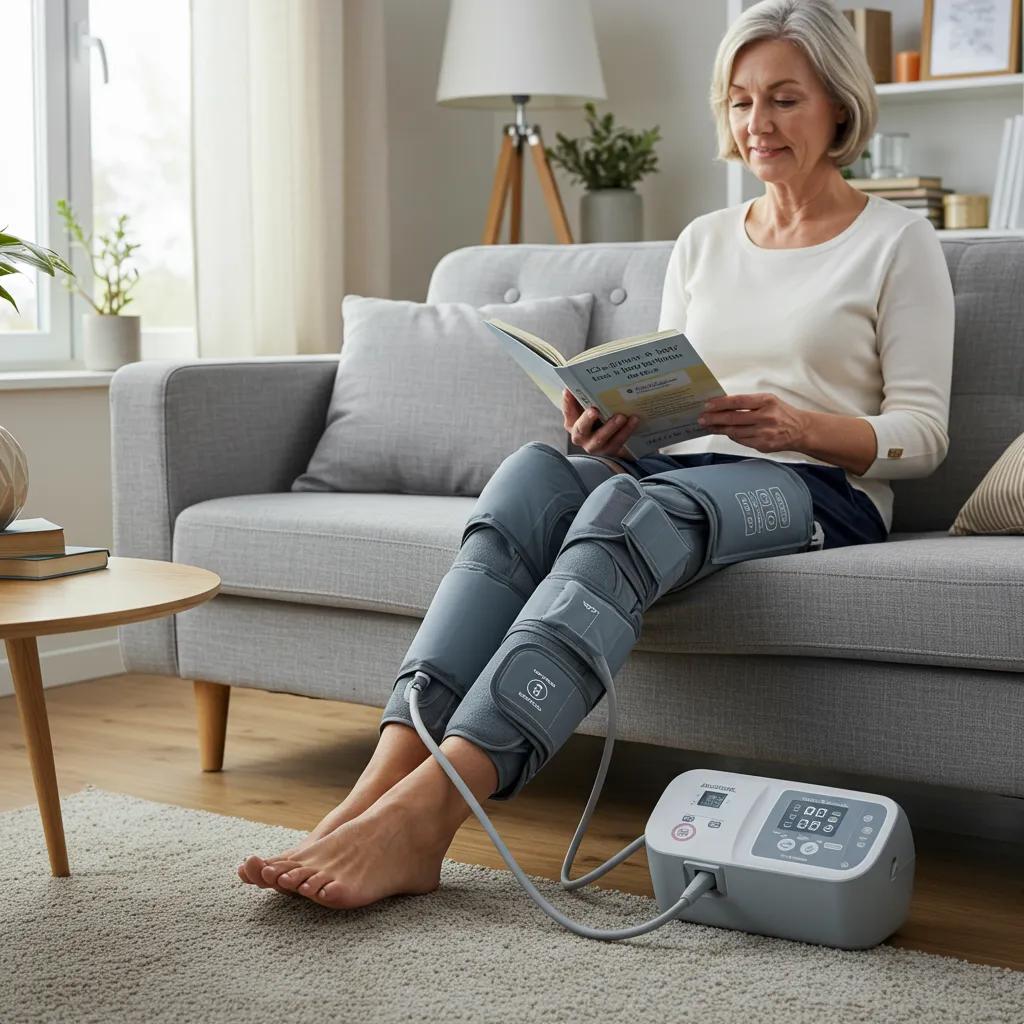
Benefits of DVT Compression Pumps in Michigan: How They Improve Treatment and Prevention
Deep vein thrombosis (DVT) occurs when blood clots form in deep leg veins, posing serious risks to Michigan patients up to 900,000 Americans develop DVT annually. Addressing limited mobility, post-surgical risk, and chronic venous insufficiency, DVT compression pump service in Michigan delivers targeted pneumatic therapy that prevents clots, reduces swelling, and accelerates recovery. In this guide, you’ll learn what DVT is and who in Michigan is most vulnerable, how intermittent pneumatic compression works, the key benefits for clot prevention and recovery, criteria for choosing a local pump provider, home-use best practices, recent state-level statistics, and answers to common concerns. As a leading durable medical equipment supplier, Befitting You Medical Supply offers seamless access to therapy, patient education, insurance navigation, and personalized support—all designed to improve vascular health across Michigan.
What Is Deep Vein Thrombosis and Who Is at Risk in Michigan?
Deep vein thrombosis is a medical condition in which a blood clot forms in a deep vein, most often in the lower leg, thigh, or pelvis. Clot formation stems from blood stagnation, vessel injury, or hypercoagulable states, such as immobility after surgery. For example, a patient confined to bed after hip replacement faces impaired venous return that can trigger DVT. Understanding local risk factors in Michigan establishes a foundation for targeted prevention and guides therapy selection with DVT compression pumps.
What Are the Symptoms and Causes of Deep Vein Thrombosis?
Leg swelling, persistent pain or aching, warmth, and skin discoloration typically signal DVT. Inflammation and altered blood flow create pressure that leads to edema and discomfort. Causes include prolonged immobility during long car trips or hospital stays, recent orthopedic surgery, hormone therapies, and inherited clotting disorders. Recognizing these warning signs early enables timely intervention with pneumatic compression to restore venous circulation.
Which Michigan Residents Are Most at Risk for DVT?
Post-surgical patients, individuals with limited mobility, cancer patients, and pregnant women in Michigan show higher incidence rates of DVT. Older adults, especially those with obesity or a history of cardiovascular disease, face compounded risk due to slower blood flow and vessel wall changes. Seasonal factors—cold temperatures that promote vasoconstriction—can further elevate clotting propensity among seniors and those recovering from knee or hip procedures.
How Does DVT Lead to Serious Complications Like Pulmonary Embolism?
When a clot dislodges, it can travel through the bloodstream to the lungs, causing a pulmonary embolism (PE) that impairs oxygen exchange and can be life-threatening. Venous stasis paired with clot propagation increases the chance of embolic events. Preventing initial clot formation with compression pumps directly mitigates the risk of PE by promoting continuous blood flow toward the heart.
How Do DVT Compression Pumps Work to Prevent Blood Clots?
DVT compression pumps are medical devices that apply rhythmic, sequential pressure to the limbs, mimicking natural muscle contractions. By inflating and deflating specialized cuffs, these pumps propel pooled blood toward the heart, reduce venous stasis, and prevent clot formation. For instance, a patient wearing leg cuffs overnight experiences improved circulation that counteracts post-surgical immobility.
What Is Intermittent Pneumatic Compression and How Does It Improve Circulation?
Intermittent pneumatic compression (IPC) involves periodic inflation of air chambers within cuffs, which exerts external pressure on veins. This pressure gradient enhances venous return, increases blood flow velocity by up to 77 percent, and stimulates endothelial release of nitric oxide. As a result, patients experience reduced clotting risk and improved tissue oxygenation without relying solely on pharmacological agents.
Intermittent Pneumatic Compression Therapy: A Systematic Review for Lymphedema Treatment
Intermittent Pneumatic Compression(IPC) therapy is an effective modality toreduce the volume of the lymphedematouslimbs alone or in conjunction with othermodalities of therapy such as decongestivetherapy. However, there is no consensus onthe frequency or treatment parameters forIPC devices. We undertook a systematicreview of contemporary peer-reviewed literature(2004-2011) to evaluate the evidence foruse of IPC in the treatment of lymphedema.In select patients, IPC use may provide anacceptable home-based treatment modality inaddition to wearing compression garments.
Intermittent pneumatic compression therapy: a systematic review, NL Stout, 2012
What Are the Different Types of DVT Compression Pumps Available in Michigan?
These options support personalized care plans, enabling patients to maintain mobility while receiving effective DVT prevention.
What Are the Key Components of a DVT Compression Pump?
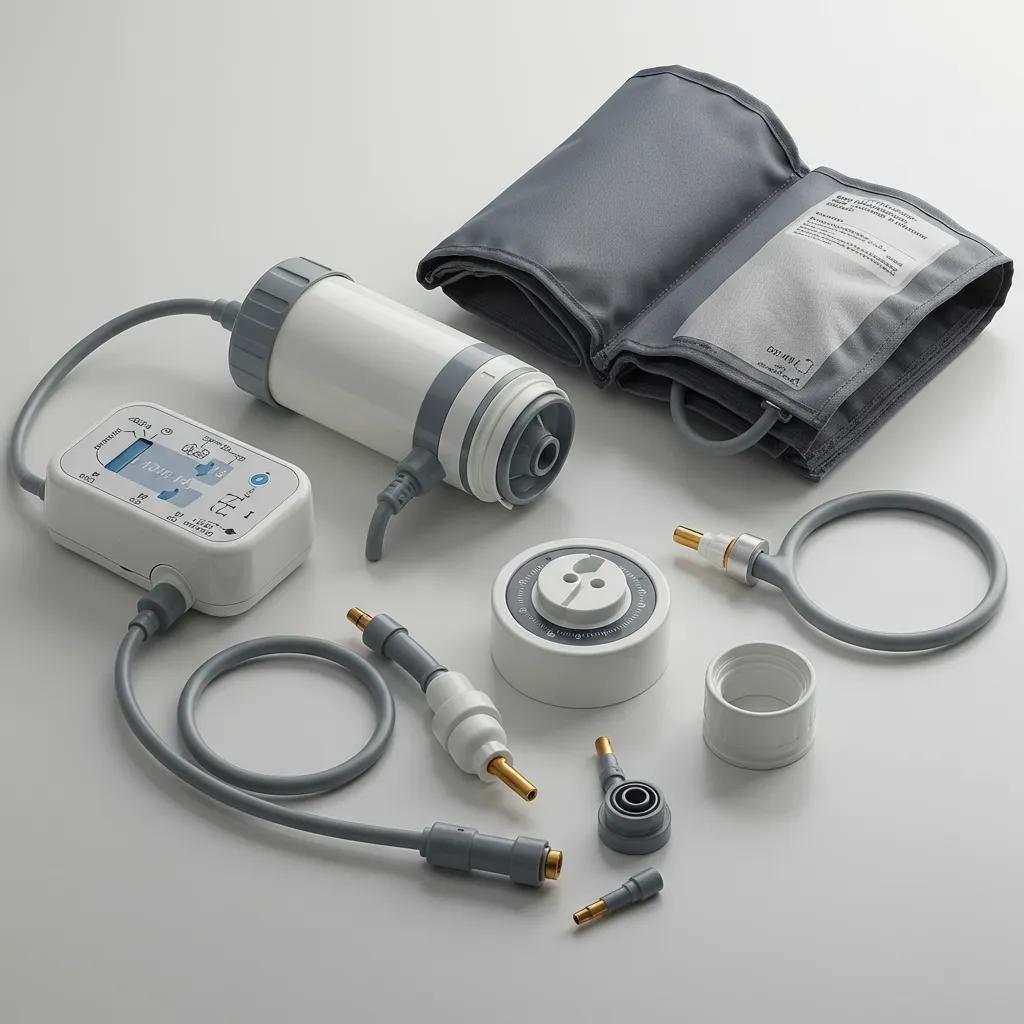
A typical DVT compression pump consists of three main elements: inflatable cuffs that wrap around the limb, a pump unit that controls pressure cycles, and flexible tubing that links cuffs to the pump. The cuff material ensures even pressure distribution, while the pump unit’s programmable settings allow customization of inflation pressure (often 20–60 mmHg) and cycle duration. Integrated controls enhance patient comfort and compliance.
What Are the Key Benefits of Using DVT Compression Pumps for Michigan Patients?
DVT compression pumps deliver four core benefits: mechanical clot prevention, edema reduction, pain relief, and faster post-surgical healing. Patients recovering from knee or hip surgery often avoid extended hospital stays by using portable pumps that boost venous return. This therapy also supports long-term vascular health by mitigating chronic venous insufficiency.
How Do DVT Pumps Prevent Blood Clots and Pulmonary Embolism?
By applying sequential pressure, compression pumps maintain continuous blood flow and minimize venous stasis—the principal cause of thrombus formation. Enhanced circulation interrupts clot propagation and reduces the likelihood of emboli reaching the lungs. As a result, pulmonary embolism incidence drops significantly in high-risk post-operative patients.
In What Ways Do DVT Pumps Reduce Swelling and Pain?
External compression forces interstitial fluid back into circulation, decreasing limb edema and alleviating discomfort. Reduced swelling translates into improved joint mobility and decreased venous pressure. Many patients report immediate relief and increased ability to perform daily activities without aching or heaviness.
How Do Compression Pumps Support Faster Post-Surgical Recovery?
DVT pumps accelerate tissue healing by optimizing oxygen delivery and waste clearance through improved blood flow. This accelerates collagen synthesis and reduces inflammation, enabling patients to progress more quickly from passive recovery to active rehabilitation. Early mobilization further decreases the risk of additional complications.
Can DVT Pumps Help Mitigate Post-Thrombotic Syndrome (PTS)?
Consistent pneumatic therapy lessens vein wall damage and valve dysfunction, two factors underlying post-thrombotic syndrome. By preserving venous structure and function, compression pumps reduce the long-term risk of chronic pain, swelling, and skin changes that characterize PTS.
How to Choose the Right DVT Compression Pump Service in Michigan?
Selecting an optimal service involves evaluating provider credentials, insurance support, equipment options, and patient training. A qualified Michigan pump provider offers accredited medical device supply, personalized setup, hands-on instruction, and ongoing troubleshooting. Clear insurance navigation ensures cost-effective access to essential therapy.
What Should You Look for in Michigan DVT Pump Providers?
Seek a licensed medical device supplier with certified technicians, positive patient reviews, and thorough training programs. Providers should demonstrate expertise in pump programming, cuff sizing, and therapy monitoring. Access to virtual or in-home consultations enhances patient confidence and adherence.
How Does Insurance Coverage Work for DVT Pumps in Michigan?
Medicare, Medicaid, and private insurers generally categorize compression pumps as durable medical equipment when prescribed for clot prevention. Providers often handle prior-authorization, verify eligible benefits, and facilitate rental or purchase arrangements. Clear communication about co-payments and coverage limits helps patients avoid unexpected expenses.
What Are the Rental vs. Purchase Options for DVT Pumps?
Renting a pump offers lower upfront costs and flexible therapy durations, ideal for short-term post-operative needs. Purchasing becomes cost-effective for long-term or chronic conditions, granting ownership of the device and accessories. Many suppliers offer program bundles that include maintenance and replacement parts.
Why Choose Befitting You Medical Supply for Your DVT Pump Needs?
Befitting You Medical Supply delivers seamless access to therapy through an easy request form, local patient education, and streamlined insurance navigation. Our certified specialists provide on-site and virtual training, ensuring correct cuff placement and pump programming. With rapid delivery across Michigan and personalized follow-up, patients experience greater treatment adherence and vascular health improvements.
How Can You Use a DVT Compression Pump at Home in Michigan?
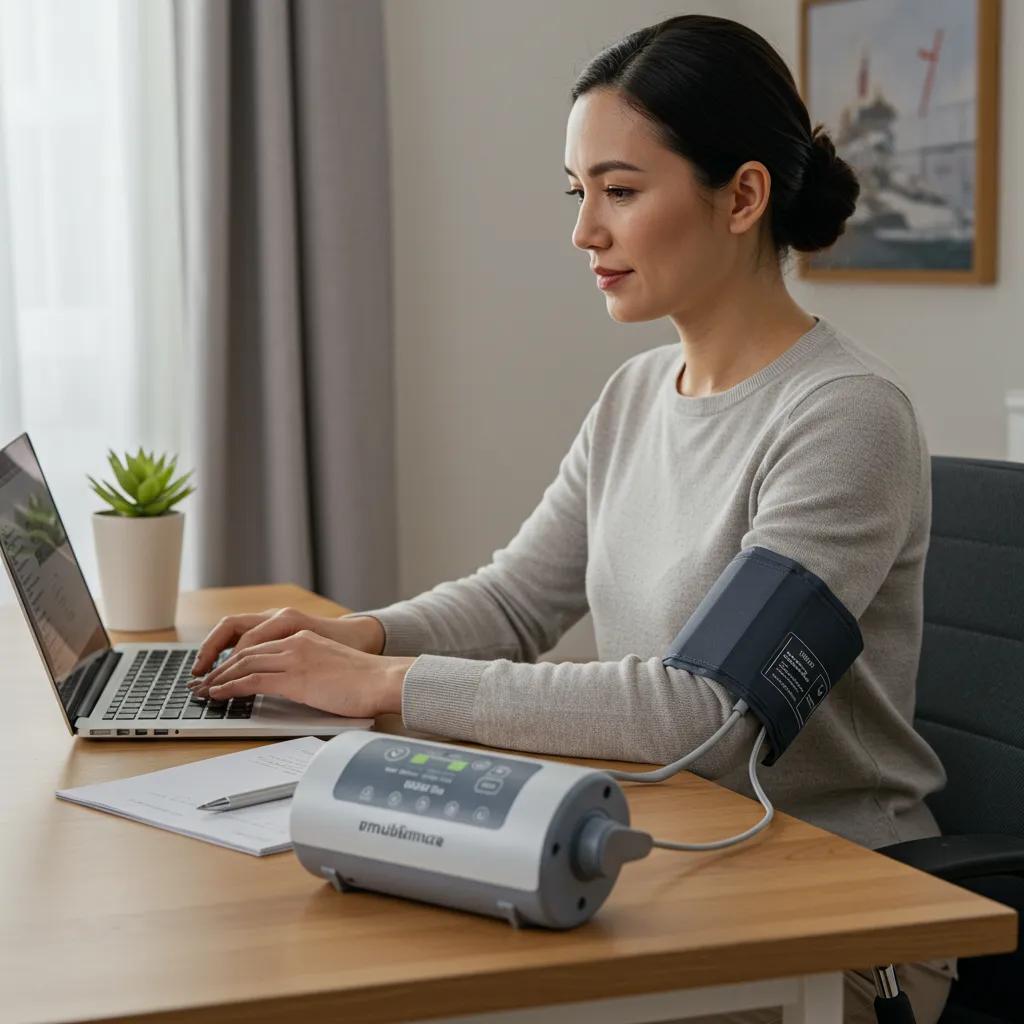
Home use of a DVT compression pump empowers patients to maintain therapy consistency, enhance mobility, and integrate treatment into daily routines. Proper management and portable designs support therapy during rest, work, or travel.
What Are the Best Practices for Daily Management of DVT Pumps?
Develop a routine that includes scheduled therapy sessions—typically two to four times per day for 30–60 minutes each. Inspect cuffs and tubing for wear, clean components with mild detergent, and store the pump in a cool, dry place. Consistent scheduling maximizes clot-prevention benefits and reinforces healthy habits.
How Do Portable DVT Pumps Enhance Mobility and Quality of Life?
Lightweight, battery-operated pumps enable patients to receive pneumatic compression during travel, office hours, or leisure activities. By maintaining uninterrupted therapy, these portable devices support active lifestyles and reduce interruptions in care that could jeopardize clot prevention.
What Do Michigan Patients Say About Their Experiences with DVT Pumps?
Patients recovering from surgery report significant reductions in leg heaviness and cramping after beginning compression therapy. One testimonial describes returning to daily walks within days of using a pump, attributing faster healing and greater confidence to consistent pneumatic treatment.
What Are the Latest Statistics and Trends on DVT and Compression Therapy in Michigan?
Michigan reflects national trends in DVT incidence and expanding home-based compression therapy. Delivering risk-appropriate prophylaxis to hospitalized patients can prevent up to 70 percent of venous thromboembolism cases, while home pump usage continues to rise among post-surgical and chronic-care populations.
How Common Is DVT Among Michigan Residents?
An estimated 30,000 to 50,000 Michigan residents develop DVT each year, particularly in urban centers and areas with large elderly populations. Aging demographics and increased surgical procedures contribute to sustained incidence rates statewide.
How Effective Are DVT Compression Pumps in Reducing Venous Thromboembolism?
Clinical studies show mechanical compression therapy reduces VTE incidence by 30–65 percent. Sequential pneumatic devices increase venous blood output by 23 percent and enhance flow velocity by 77±35 percent, establishing compression pumps as a cornerstone of non-pharmacological prevention.
What Are the Emerging Trends in Home-Based DVT Therapy in Michigan?
Advances in wearable compression systems, smartphone-enabled pump controls, and telehealth monitoring are transforming at-home care. Patients increasingly adopt compact, multi-chamber pumps that integrate therapy data sharing with healthcare providers, improving adherence and outcomes.
What Are Common Questions About DVT Compression Pumps in Michigan?
What Are the Primary Benefits of Using a DVT Compression Pump?
DVT compression pumps primarily prevent blood clots, reduce leg swelling and discomfort, improve venous return, and support faster post-surgical healing—lowering the risk of pulmonary embolism and long-term vascular complications.
How Does a DVT Compression Pump Work to Prevent Blood Clots?
A compression pump applies sequential pneumatic pressure through inflatable cuffs, propelling blood toward the heart, reducing venous stasis, and disrupting clot formation by mimicking natural muscle contractions.
Who Should Consider Using a DVT Compression Pump in Michigan?
Patients recovering from surgery, individuals with limited mobility, anyone with chronic venous insufficiency, or those at high risk for deep vein thrombosis should consider pneumatic compression therapy.
Can DVT Pumps Be Used Safely at Home?
When used according to provider instructions, DVT pumps are safe for home use. Proper cuff sizing, pressure settings, and adherence to maintenance guidelines ensure effective and comfortable therapy.
A thorough understanding of DVT and effective compression therapy empowers Michigan patients to take proactive steps in preventing blood clots and enhancing recovery. By selecting a reputable pump provider and adhering to best-practice guidelines, individuals can reduce complications and improve vascular health. Investing in a DVT compression pump delivers both immediate relief and long-term protection, offering peace of mind and support for active living. For seamless access to expert guidance, personalized training, and insurance assistance, complete the therapy request form today.
Frequently Asked Questions
What are the potential side effects of using DVT compression pumps?
While DVT compression pumps are generally safe, some users may experience mild side effects such as skin irritation, discomfort from the cuffs, or temporary numbness. It’s essential to ensure proper cuff sizing and pressure settings to minimize these issues. Patients should monitor their skin for any signs of pressure sores or excessive swelling and consult their healthcare provider if they experience persistent discomfort or unusual symptoms during therapy.
How long should a patient use a DVT compression pump each day?
Patients are typically advised to use a DVT compression pump for 30 to 60 minutes, two to four times a day, depending on their specific condition and healthcare provider’s recommendations. Consistent use is crucial for maximizing the benefits of therapy, such as preventing blood clots and reducing swelling. Patients should establish a routine that fits their daily schedule to ensure adherence to the therapy plan.
Are there any contraindications for using DVT compression pumps?
Yes, certain conditions may contraindicate the use of DVT compression pumps. Patients with severe arterial disease, skin infections, or open wounds in the treatment area should avoid using these devices. Additionally, individuals with certain heart conditions or those who have experienced recent surgeries may require special consideration. It is vital to consult a healthcare provider to determine if pneumatic compression therapy is appropriate for your specific health situation.
Can DVT compression pumps be used in conjunction with other treatments?
Yes, DVT compression pumps can be effectively used alongside other treatments, such as anticoagulant medications or physical therapy. This combination can enhance overall treatment efficacy by addressing multiple aspects of DVT prevention and recovery. However, patients should always discuss their complete treatment plan with their healthcare provider to ensure that all therapies are coordinated and safe.
How do patients know if their DVT compression pump is working effectively?
Patients can assess the effectiveness of their DVT compression pump by monitoring their symptoms and overall comfort. Signs of improved circulation include reduced swelling, decreased leg pain, and increased mobility. Additionally, regular follow-ups with healthcare providers can help evaluate the therapy’s effectiveness through clinical assessments and adjustments to the treatment plan as needed.
What should patients do if they experience discomfort while using the pump?
If patients experience discomfort while using a DVT compression pump, they should first check the cuff fit and pressure settings. Adjusting these factors may alleviate discomfort. If issues persist, it is crucial to stop using the pump and consult a healthcare provider for further evaluation. They can provide guidance on proper usage and determine if an alternative treatment is necessary.
How can patients ensure proper maintenance of their DVT compression pump?
Proper maintenance of a DVT compression pump involves regular cleaning and inspection of the cuffs and tubing for wear and tear. Patients should follow the manufacturer’s guidelines for cleaning, typically using mild detergent and water. Additionally, storing the pump in a cool, dry place and ensuring that all components are functioning correctly will help prolong the device’s lifespan and effectiveness.
Conclusion
Utilizing DVT compression pumps significantly enhances recovery by preventing blood clots, reducing swelling, and promoting overall vascular health. This therapy is especially beneficial for Michigan patients at risk of deep vein thrombosis, offering both immediate relief and long-term protection. By choosing a reputable provider and adhering to best practices, individuals can take proactive steps toward improved health outcomes. For personalized support and expert guidance, complete the therapy request form today.